
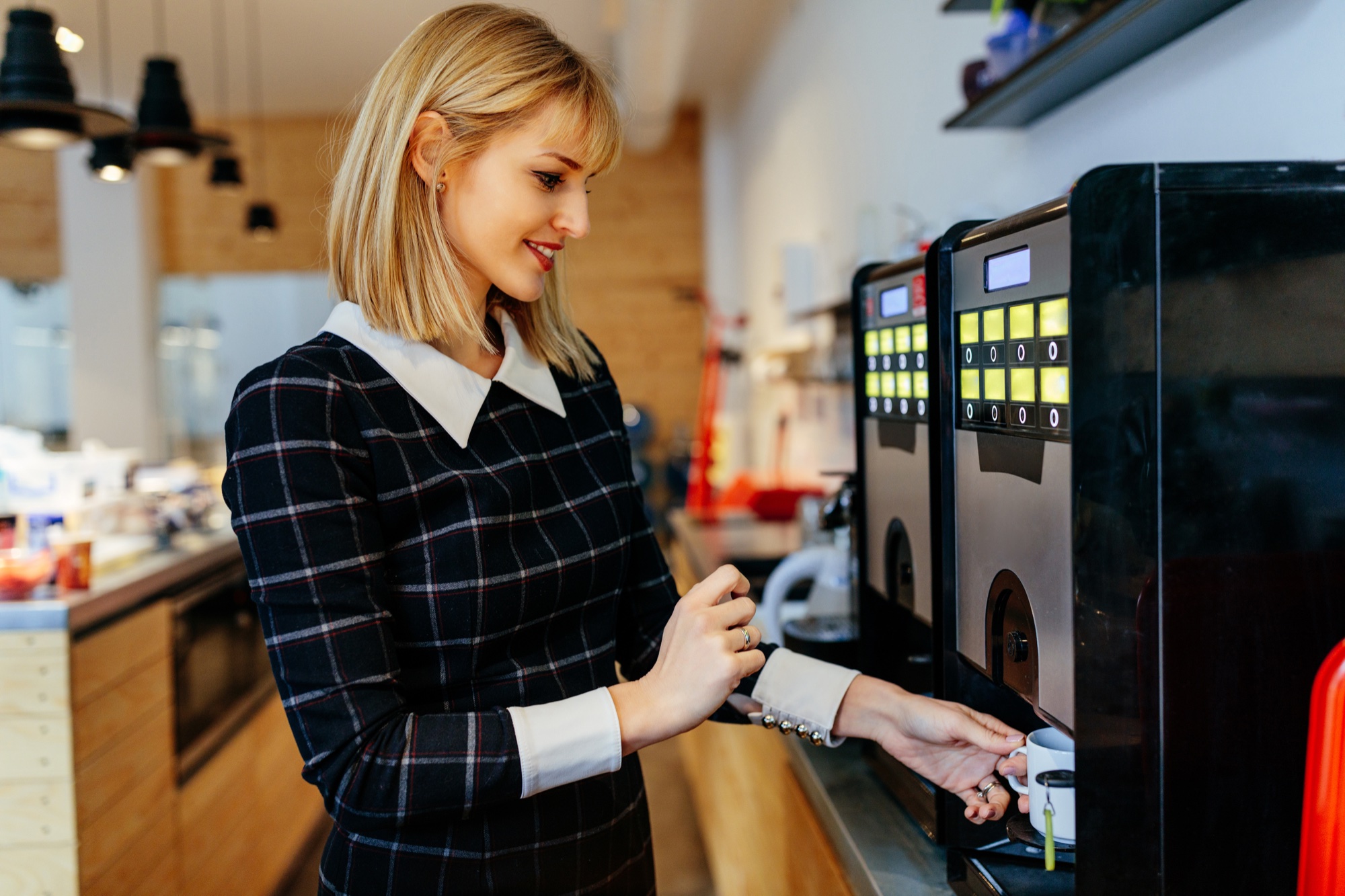
Coffee is more than ninety-eight percent water. Tea, soda, and ice are mostly water too. In a commercial kitchen or beverage program, water is the largest single ingredient by volume — and the one most operators never spec.
That is a missed opportunity, because the water arriving at the inlet quietly decides three things at once: how the product tastes, how long the equipment lasts, and how much the operation spends on service. Get the water right and all three improve together.
Taste starts before the recipe does
Chlorine and chloramine are added to municipal water for safety, and they do their job well. But the flavor and aroma they carry into a finished beverage can flatten a careful roast or dull a soda's profile. Carbon filtration is designed to reduce chlorine taste and odor, which is why so many beverage programs treat it as table stakes. The cup tastes like the recipe, not like the tap.
Scale is the silent equipment killer
Hard water carries dissolved calcium and magnesium. Heat them — in an espresso boiler, a combi oven, a steamer, an ice machine — and those minerals come out of solution as scale. Scale narrows water lines, coats heating elements, and forces equipment to work harder for the same output. Left unmanaged, it shortens the life of expensive machines and drives up energy use and service calls. Scale-control filtration is built to slow that process, protecting the equipment an operator already paid for.
The math operators care about
FoodService runs on tight margins, and unplanned downtime is the enemy. A beverage machine offline during a rush is lost revenue plus a service bill. Filtration that protects the inlet is, in practice, a maintenance strategy: fewer surprise breakdowns, more predictable service intervals, and consistent product quality between cartridge changes. That is why total cost of ownership — not just the price of a cartridge — is the right way to think about it.
Match the filter to the water
No single cartridge is right for every site, because no two water supplies are identical. The sensible approach is to understand the local water, then select filtration that addresses what is actually in it — taste and odor, sediment, scale, or a combination. Aquamor builds the full filtration ladder for foodservice, from sediment pre-filters through reverse osmosis, so a program can be matched to its water rather than forced into a one-size product.
The water never appears on the menu. But every operator who has chased a sudden change in cup quality, or replaced a scaled-up boiler ahead of schedule, already knows the truth: the best recipe starts at the inlet.